

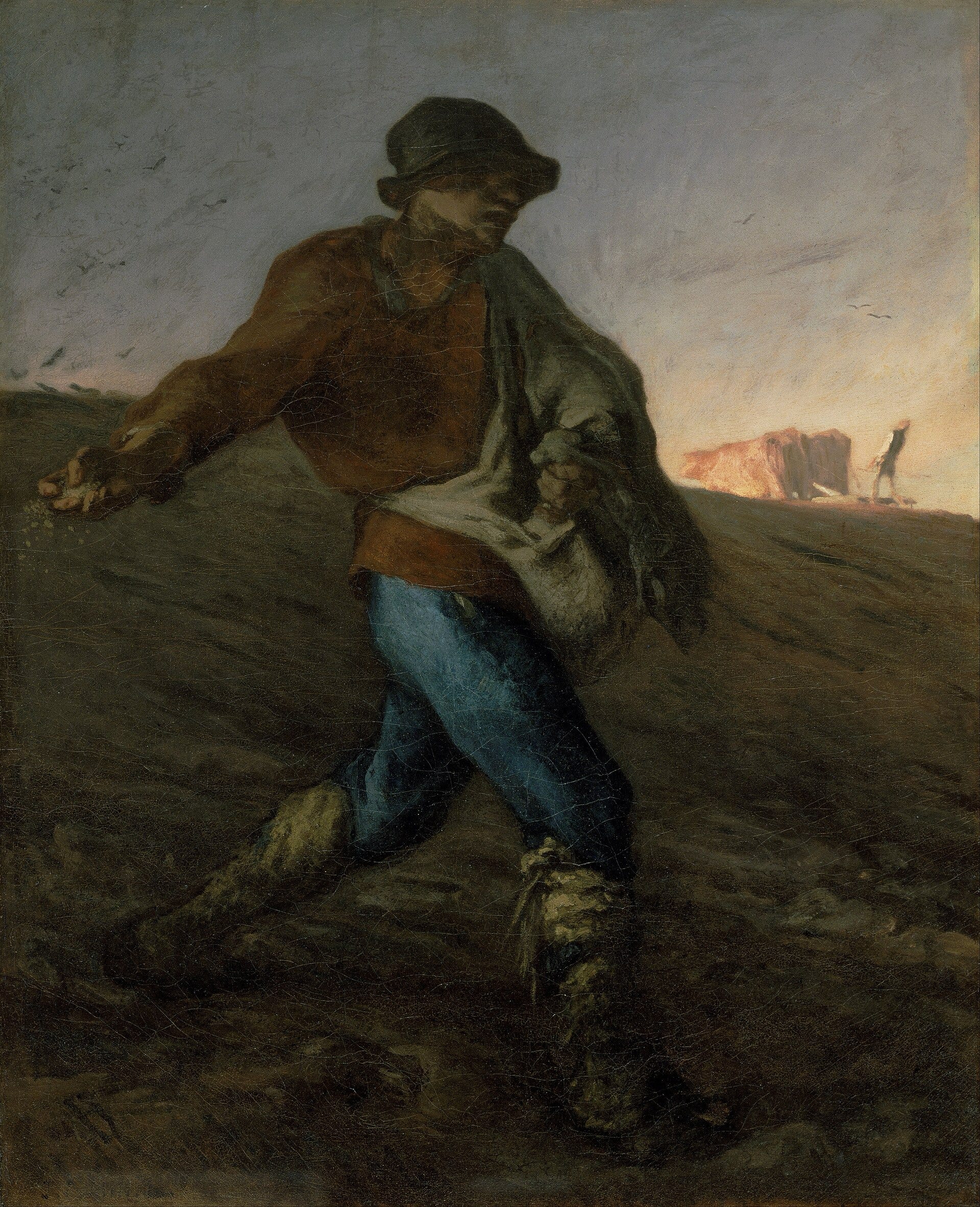
We all hero worship the first kind of leader. You can see them in action everywhere whether it’s strategic decisions, customer conversations, product development, rescuing struggling project. The list goes on. They are always running on the hamster wheel of organization-initiatives, and it’s like their team or the company would fall apart if they weren’t part of it.
They leave us desiring wanting to be like them, wanting to be the hero of the tiny closed ecosystem of our companies.
Most of us emulate that kind of leadership, I surely did. For years, I admired leaders like Steve Jobs. Leaders who were relentlessly involved in every little detail of their company, holding incredibly high standards border lining perfectionism.
Yes, it is exhausting, but exhilarating at the same time as who doesn’t want to feel important by being in the center of all the action?
But over the years, I have come to appreciate a second kind of leader even more.
The kind you probably never notice. Not because they drive their companies to failure. Not because they are absent. But rather than solving every organizational problem, they invest in building other leaders. Their teams don’t come knocking on their office door seeking permissions. Their teams solve problems before they get completely out of hand. Decisions get made without having the leader sit in the middle of every conversation. Their teams trust their own judgment because the leader took the time to develop it rather than making him/her indispensable.
A conversation with both kinds of leaders leave you feeling dramatically differently. The first kind of leader makes you realize how smart they are. The second kind of leader makes you feel how smart you are. The first kind of leader wins your admiration. The second kind of leader builds confidence in you, makes you see your own capabilities.
And this difference in the long run creates two completely different outcomes.
The first kind perhaps creates a company that lives in their shadow and can’t (possibly) operate without them. The second kind of leader ends up creating capabilities in abundance. And in my mind, capability is what helps scale an organization, not individual heroics.
Maybe this is the reason why the second kind of leaders appear somewhat quieter than what everyone expects. They often are the last one to speak in the meetings. It’s not they don’t have thoughtful answers. It’s because they trust their teams to arrive at the right answer. It’s because they would rather invest in hiring well and coaching leaders rather than spend their time rescuing initiatives, mediating conflicts, and making every single strategic decision.
The result is almost always a team that moves constantly without waiting for their leader’s nod. Perhaps solves problems the leader never even gets to hear about.
This kind of leader perhaps stops measuring success by problems they solved but starts measuring it by the problems they never had to solve.
And that’s their magic.
Because the ultimate test of leadership isn’t whether the organization can’t survive without you. It’s whether it can thrive without you.